Bone broth has gone from a traditional kitchen staple to a modern wellness trend. You’ll find it everywhere—from grocery store shelves to café menus and fitness routines. But while it’s often praised for its health benefits, bone broth isn’t a miracle food.
In this article, we’ll break down what bone broth is, its top benefits, potential downsides, and who it’s best for, so you can decide if it deserves a place in your daily routine.
What Is Bone Broth?
Bone broth is made by simmering animal bones, connective tissue, and sometimes vegetables and herbs for an extended period of time—typically 12 to 24 hours. This slow cooking process extracts nutrients like collagen, amino acids, and minerals into a savory, drinkable broth.
Unlike standard stock, bone broth is usually simmered longer and consumed on its own as a beverage rather than just a cooking ingredient.
✅ Benefits of Bone Broth
1. Supports Joint and Skin Health
Bone broth naturally contains collagen and amino acids like glycine and proline, which are associated with joint flexibility, skin elasticity, and connective tissue support.
While it’s not a replacement for collagen supplements, it can be a helpful dietary addition.
2. Easy to Digest
Bone broth is gentle on the stomach and often recommended during recovery, illness, or digestive resets. It’s commonly used in elimination diets and gut-friendly eating plans.
3. Hydrating and Comforting
Because it’s mostly water, bone broth contributes to hydration while offering more flavor and electrolytes than plain water. Many people enjoy it as a warm, comforting alternative to coffee or tea.
4. Low-Calorie, High-Satiety
Bone broth is naturally low in calories but rich in flavor, making it a popular option for people looking to curb snacking or support mindful eating habits.
5. Versatile and Convenient
You can sip it straight, use it as a soup base, cook grains with it, or add it to sauces. It fits easily into a wide range of meals and lifestyles.
⚠️ Potential Drawbacks of Bone Broth
1. Protein Content Is Often Overstated
While bone broth contains protein, most store-bought versions don’t provide enough to count as a true protein source, since many amino acids may be missing. It’s best viewed as a supplement to meals—not a replacement.
2. Sodium Levels Can Be High
Many commercial bone broths contain significant sodium. If you’re watching your salt intake, it’s important to check labels or choose low-sodium options.
3. Quality Varies Widely
Not all bone broths are created equal. Some are heavily diluted, overly processed, or made with low-quality ingredients that limit nutritional value.
4. Time-Intensive to Make at Home
Traditional bone broth requires long simmering times—sometimes over 24 hours—which isn’t practical for many people.
5. Not Ideal for Everyone
People with histamine sensitivities or certain digestive conditions may not tolerate bone broth well, especially when it’s slow-cooked for long periods.
Is Bone Broth Healthy?
Bone broth can absolutely be part of a healthy lifestyle—especially when it’s:
-
Made from high-quality ingredients
-
Low in unnecessary additives
-
Used as a complement to a balanced diet
It’s not a cure-all, but it can provide hydration, warmth, and light nourishment in a convenient form.
How to Choose a Good Bone Broth
When shopping for bone broth, look for:
-
Short, recognizable ingredient lists
-
No artificial flavors or preservatives
-
Moderate sodium levels
-
Clear labeling of protein content
-
Transparent sourcing
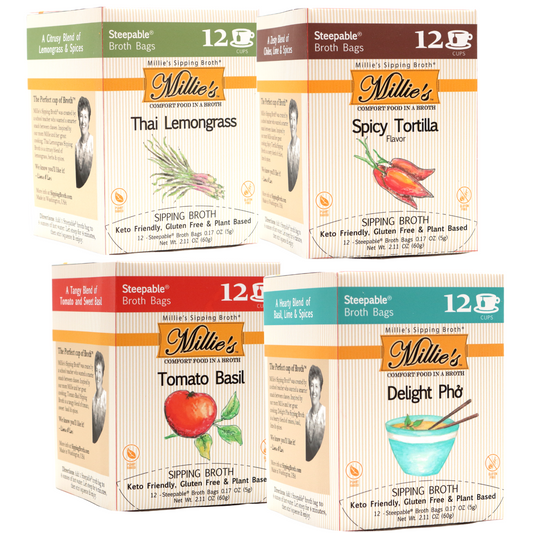
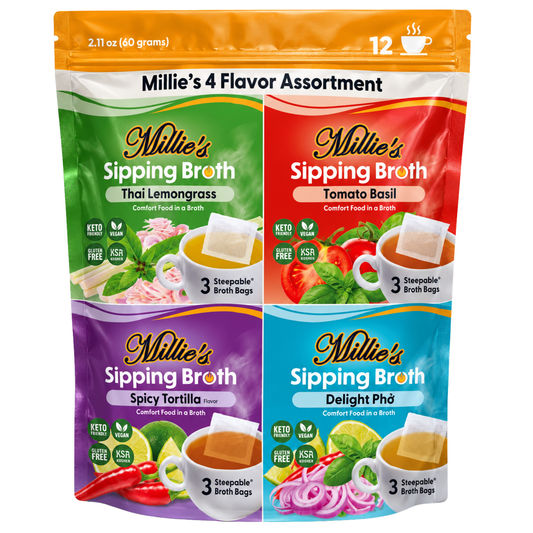
If convenience matters, many people now choose steepable or ready-to-sip broth formats that provide similar benefits without long cook times.
Final Thoughts
Bone broth isn’t a miracle drink—but it is a comforting, functional option for people looking to add warmth, flavor, and light nutrition to their day. Like most foods, its value comes down to quality, portion size, and how it fits into your overall routine.
If you enjoy savory flavors, want a break from sugary drinks, or need something soothing between meals, bone broth can be a smart and satisfying choice.